-
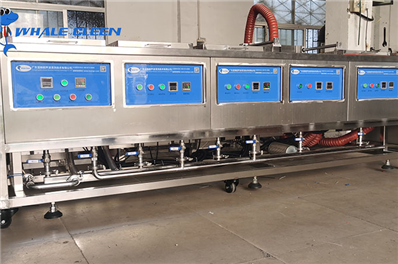 Ultrasonic Cleaning for Metal Printing Machine Components: Ensuring Print Quality and Equipment Reliability
Cleaning metal printing machine components is an essential step to ensure printing quality and equipment reliability. During the printing process, metal parts can accumulate ink residues, oil, and other impurities, which can negatively impact print qualit
-
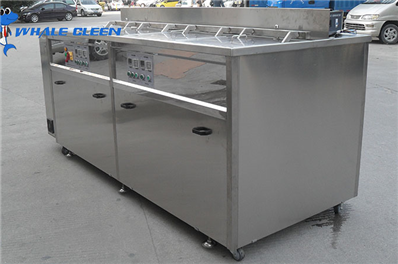 Ultrasonic Cleaning of Cooling Tower Metal Fill: Improving Heat Dissipation and Equipment Longevity
Maintaining the efficiency and lifespan of cooling systems is crucial for industrial operations. Over time, cooling tower metal fill surfaces accumulate dirt and deposits, leading to reduced heat dissipation efficiency and compromised system performance.
-
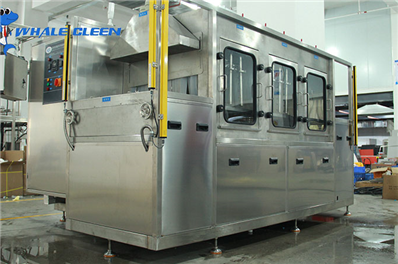 Why Is Ultrasonic Cleaning the Preferred Choice for Silicon Wafer Cleaning?
In semiconductor manufacturing, a single microscopic particle clinging to a silicon wafer surface can turn a high-value chip into scrap. As device geometries continue to shrink toward single-digit nanometer nodes, the tolerance for contamination has becom
-
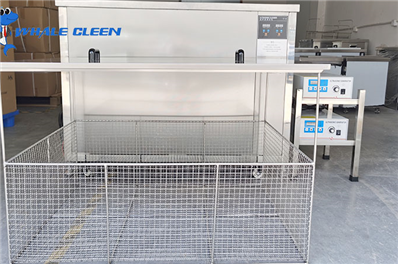 The Outstanding Performance of Ultrasonic Cleaners in Power Equipment Maintenance
In the power generation and distribution industry, maintaining the cleanliness and functionality of electrical equipment is essential for ensuring continuous and efficient operations. The accumulation of dust, dirt, grease, and other contaminants on power
-
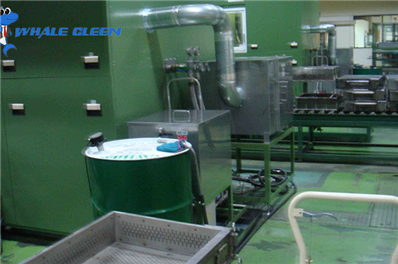 Ultrasonic Cleaning Equipment: Redefining Efficiency in Industrial Cleaning
In the realm of industrial manufacturing, the choice of cleaning equipment plays a pivotal role in ensuring production efficiency and product quality. The emergence of ultrasonic cleaning equipment has marked a paradigm shift, offering a new standard for
-
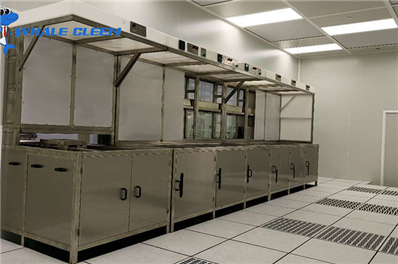 Intelligent Precision: Revolutionizing Industrial Efficiency with Ultrasonic Cleaner Management
In the realm of modern manufacturing, the utilization of ultrasonic cleaners coupled with intelligent management has emerged as a pivotal force in enhancing industrial production efficiency. This article delves into the concept of intelligent management f
-
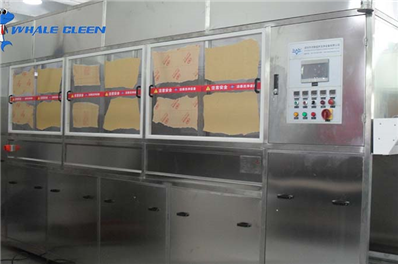 Ultrasonic Cleaning Machine: Solving the Batch Cleanliness Inconsistency Crisis in Aerospace Fastener Manufacturing
In aerospace manufacturing, a single contaminated fastener can compromise an entire assembly. Threaded surfaces trap machining oils, metal chips, and microscopic particulates that, if not completely removed, directly affect torque values, joint integrity,
-
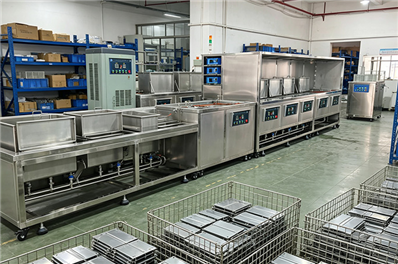 Ultrasonic Cleaning Machine: The Definitive Solution for Rust and Oil Contamination That Spray Cleaning Leaves Behind
In metal parts manufacturing and heavy equipment maintenance, few scenarios are as frustrating—and as costly—as the inspection failure that follows an inadequate cleaning process.The scenario plays out in workshops every day: a batch of precision metal co
-
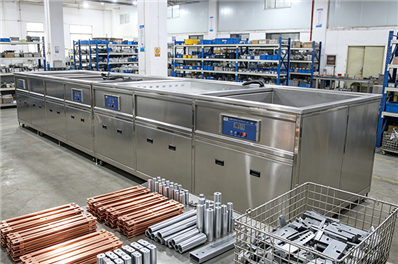 Automotive Parts Cleaning Equipment Manufacturer: Selecting the Right Ultrasonic Cleaning Partner
In the automotive industry, from engine components and transmission parts to braking systems and chassis elements, the cleanliness of parts is directly linked to performance, reliability, and safety. Manufacturing processes like machining, grinding, and s
-
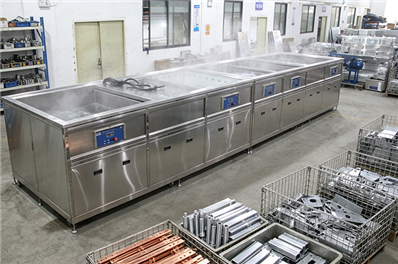 Ultrasonic Cleaning Machine for Shaft Parts: A Specialized Solution for Precision Components
In mechanical manufacturing and heavy industry, shaft parts—such as transmission shafts, motor rotors, hydraulic piston rods, and bearing rollers—are fundamental components that demand the highest standards of cleanliness. These precision-machined parts o
-
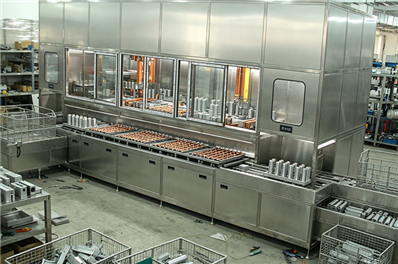 The Milling Cutter & Tap Cleaning Secret: Why Ultrasonic Outperforms Manual Methods
In any precision machining environment, the cleanliness of cutting tools like milling cutters and taps is directly linked to part quality, tool life, and production stability. Yet, the most common cleaning method—manual scrubbing with brushes, cloths, or
-
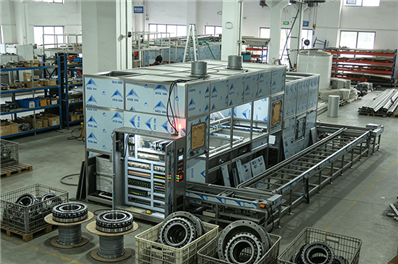 Ultrasonic Cleaning Machine: The Cost-Effective Solution for Mold Parts Cleaning
In the manufacturing industry, the cleaning of mold components—such as core pins, ejector pins, and intricate mold inserts—has long been a silent drain on production budgets. The costs are not limited to cleaning agents and labor; they extend to rejected